
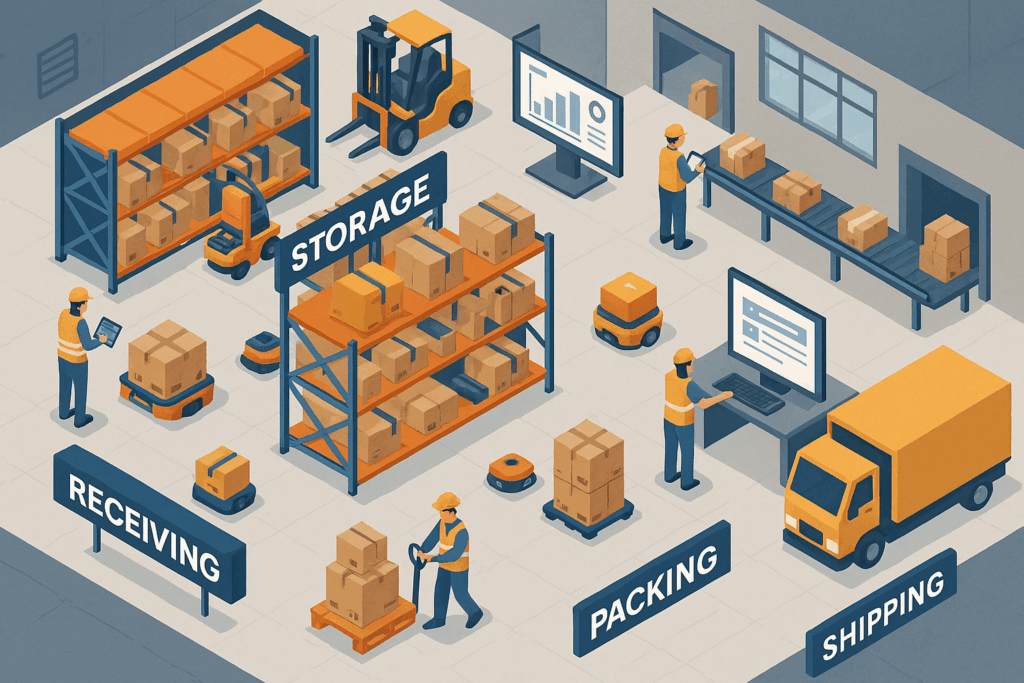
A Warehouse Management System (WMS) is a powerful tool that helps businesses run their warehouse and delivery operations more efficiently. It does more than just track inventory, it offers many useful features that help companies manage their supply chain better, improve customer satisfaction, and stay ahead of the competition.
How “Warehouse A” Works with a Traditional Approach
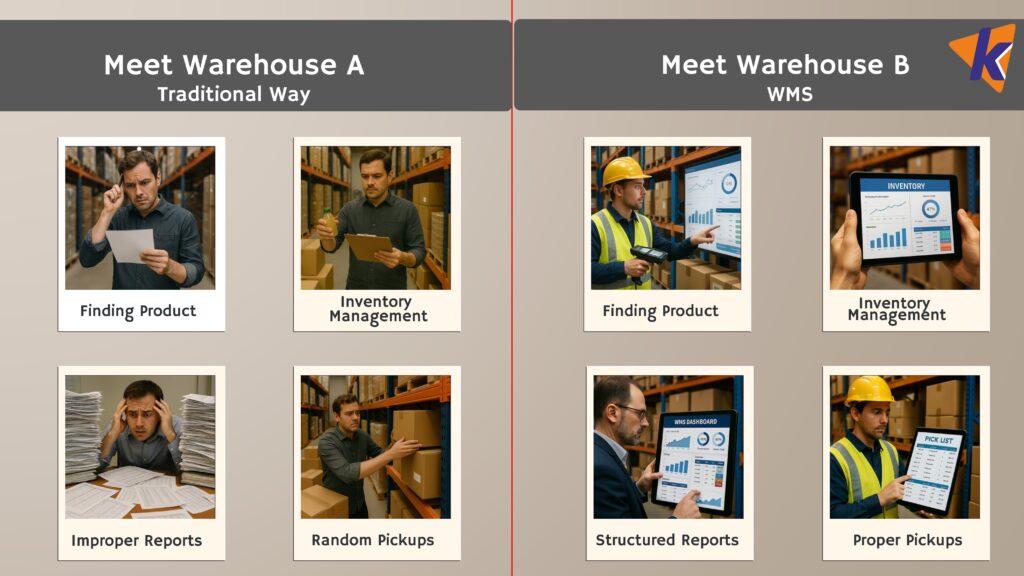
Let’s imagine a warehouse—let’s call it “Warehouse A”. It still runs in the old-school way, using mostly manual processes. While this may seem familiar and comfortable, it comes with quite a few challenges in today’s fast-moving world.

1. Inventory Management
Manual Tracking: Instead of using software, Warehouse A keeps track of stock with paper, spreadsheets, and regular manual counts. That means updates are slow process and mistakes can be frequently.
Poor Visibility: Staff often don’t know where items are in real time. So, decisions like when to reorder or where to find products become harder and slower.
More Errors: Entering data by hand increases the chances of mistakes, which can mess up inventory records and cause delays.
2. Order Processing and Fulfillment
Paper Pick Lists: When an order comes in, someone prints out a list and hand over to a picker. The picker walks around searching for the items manually.
Long Picking Routes: Without smart tools, pickers may go back and forth across the warehouse, wasting time and energy.
Manual Packing & Shipping: Packing and shipping are done by hand too choosing boxes, labelling items, and arranging delivery. It works, but it’s slow and easier to mess up.


3. Challenges of This Manual Approach
Higher Costs: More manual work means more people are needed, which increases labour costs. Fixing mistakes also costs time and money.
Slow Order Fulfillment: Picking, packing, and shipping take longer, which can delay deliveries.
Hard to Scale: If business grows and orders increase, Warehouse A might struggle to keep up without hiring more staff.
Tough to Adapt: If the market changes or new products are added, manual systems make it hard to adjust quickly.
Inaccurate Reports: Since everything is tracked by hand, creating reports takes time and may not always be reliable.
In Short
Warehouse A depends heavily on people and paper. It might work fine for small businesses, but as things grow more complex, this old-fashioned method starts to show its cracks.
How “Warehouse B” Works with a Warehouse Management System (WMS)
Now let’s take a look at “Warehouse B”, which runs with the help of a smart Warehouse Management System (WMS). Unlike “Warehouse A”, this warehouse uses technology to handle its day-to-day tasks. The result? Faster work, fewer mistakes, and happier customers.
1. Smart Inventory Management
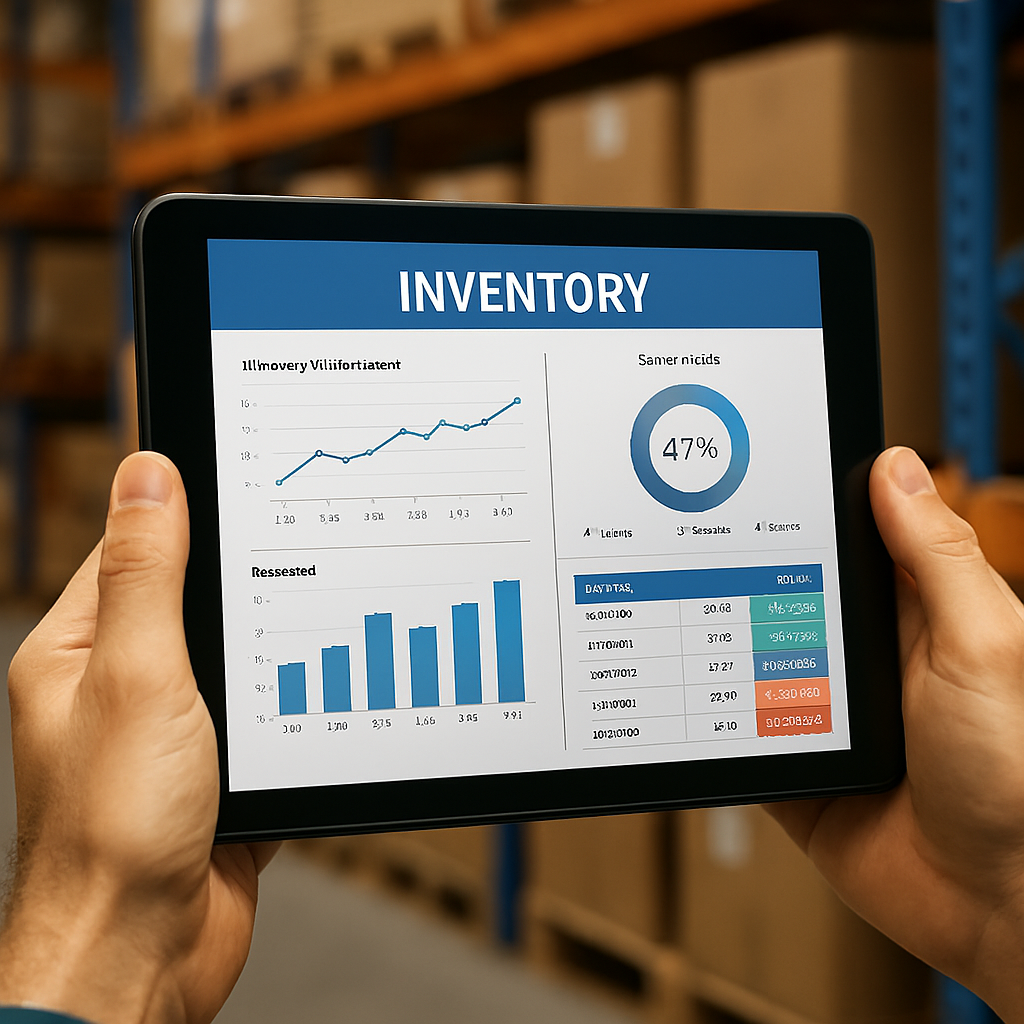
Real-Time Tracking: The WMS shows exactly what’s quantity and where it is located to the bin or shelf. No more guessing or searching for items.
Fewer Mistakes: Barcode and RFID scanners are used to check items in and out. This makes sure the right products are always counted and tracked, cutting down the human error.
Balanced Stock Levels: The system keeps an eye on sales and alerts the team when it’s time to reorder. This prevents both running out of stock and having too much sitting around.
2. Faster Order Processing
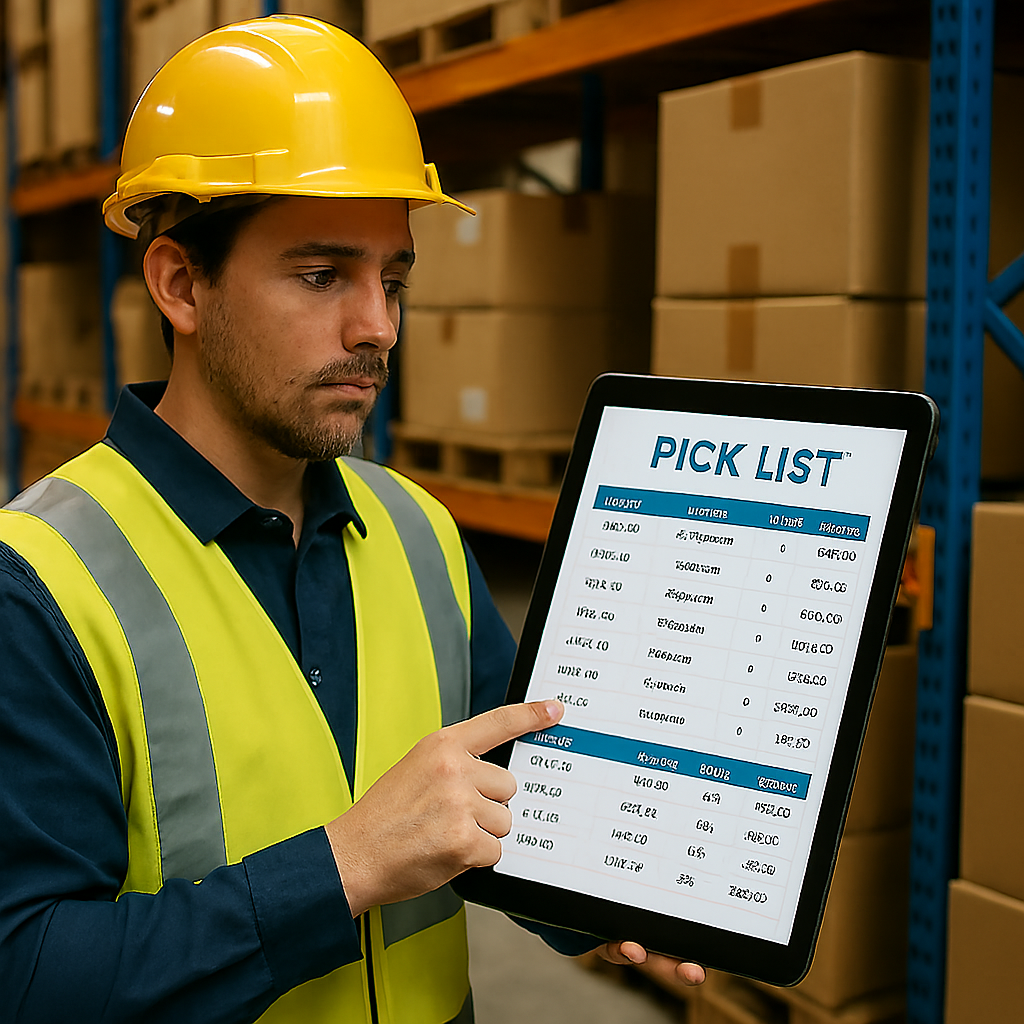
Digital Pick Lists: Instead of paper, pickers use handheld devices with smart pick lists. The WMS guides them through the fastest route in the warehouse.
Smarter Picking Methods: The system can group similar orders or assign pickers to certain areas, making the process even more efficient.
Automated Packing & Shipping: Packing is streamlined, labels are printed automatically, and shipping details are handled with just a few clicks. This means packages go out faster and more accurately.
3. Better Performance and Cost Control
Higher Productivity: With tasks automated and workflows optimized, Warehouse B handles more orders with less effort.
Lower Labour Costs: Because everything runs smoother, there’s less wasted time and fewer workers are needed to do the same job.
Efficient Space Use: The WMS even helps decide where products should be stored based on how often they’re picked, saving space and time.
Happier Customers: Orders are packed and shipped quickly, with fewer mistakes, and tracking is available in real time—keeping customers informed and satisfied.
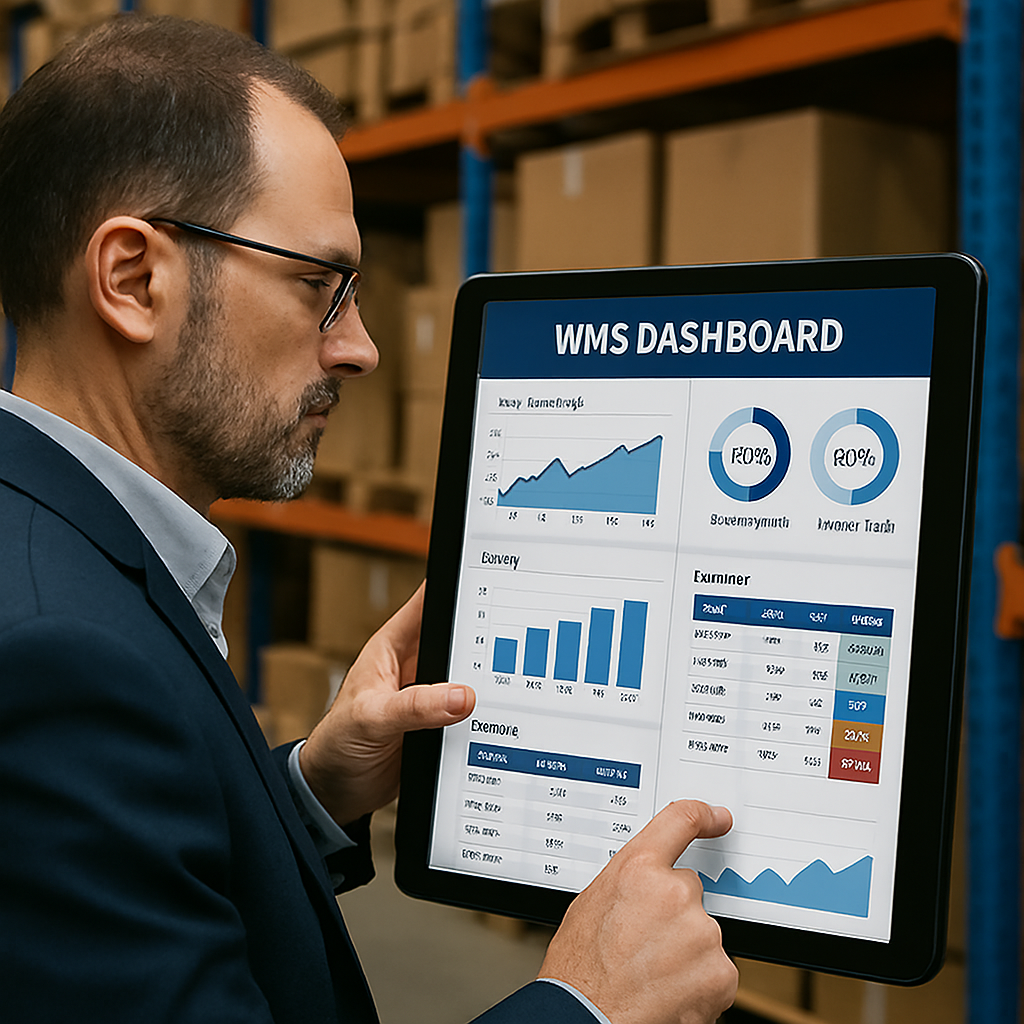
Smarter Decisions: Managers get clear reports and insights from the WMS, helping them make better choices around stock, staffing, and warehouse processes.
In Short
“Warehouse B” runs like a smart machine. Thanks to its WMS, it works faster, makes fewer mistakes, saves money, and keeps customers happy. It’s a big step up from the manual ways of “Warehouse A” and shows how much of a difference the right technology can make.
Conclusion
A Warehouse Management System (WMS) takes the guesswork out of warehousing and replaces it with accuracy and control.
For businesses looking to grow and stay competitive, going digital isn’t just a nice-to-have it’s a must.
So, ask yourself: What story will your warehouse tell—one of slow, manual processes or smart, efficient operations?